

GE Vernova Spin-off Deep Dive
May 23, 2024
Conclusion
On April 2, 2024, General Electric (GE) spun off, GE Vernova (GEV), its power business in a tax-free transaction. Investors received 1 share of GEV for every 4 shares of GE owned.
Since the time of the spin-off, GEV has performed surprisingly well. The stock opened at $142.85, initial sold off but has since rallied above $160/share.
GEV currently has a market cap of $47BN and an EV of $41BN. Management expects the power business generated $36BN revenue in 2025 with ~7.5% EBITDA margins and ~$1.5BN of free cash flow.
As such, GEV is trading at 30x ’25 FCF and 15.9x ’25 EBITDA. That valuation is inline with peers (more on that below) and as such, I can’t get excited about the stock today.
What’s the bull case for GEV?
Its summarized nicely in this tweet:
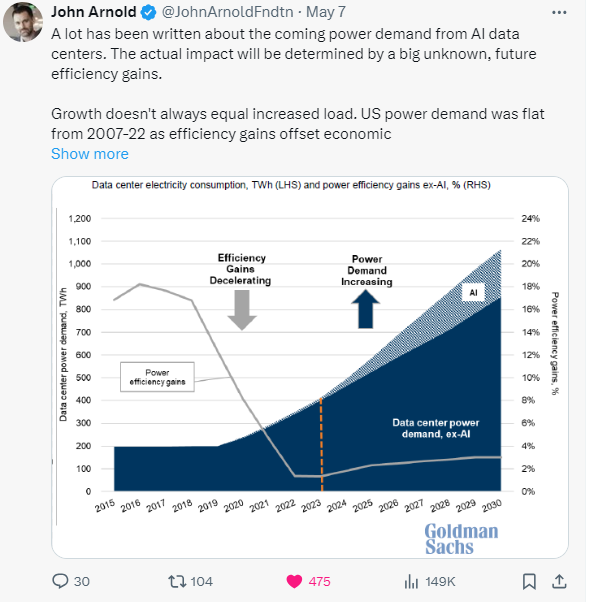
GE Vernova will benefit from this increased demand for power as it manufactures all the parts that are required to increase energy production and electrify the grid in the U.S.
While I can’t get excited about GEV at the current valuation, I wanted to lay out my thoughts and revisit the stock at a later date.
GE Vernova Introduction
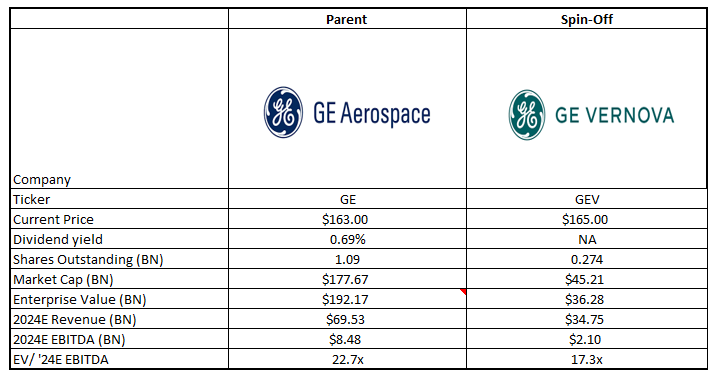
On April 2, 2024, General Electric (GE) spun off, GE Vernova (GEV), its power business in a tax-free transaction. Investors received 1 share of GEV for every 4 shares of GE owned.
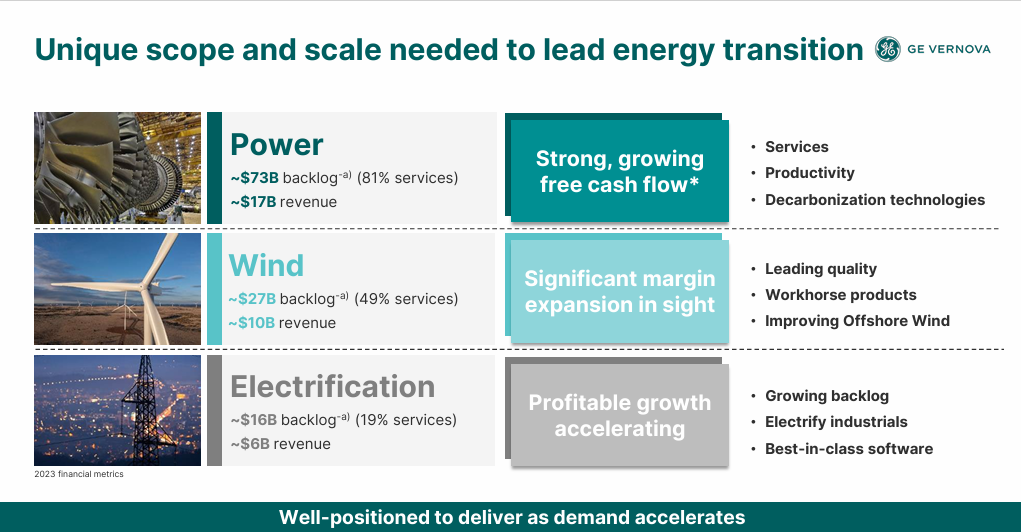
GE Vernova is a global leader in the electric power industry generating revenue from the following sources:
- Power (55% of revenue)
- Wind (22% of revenue)
- Electrification (23% of revenue)
The Electrification segment appears to have a more positive outlook. It is experiencing significant growth with a growing backlog, particularly in Grid Solutions, and expanding margins driven by volume and price increases. The segment anticipates strong revenue growth and continued margin expansion beyond 2024, supported by various improvements. While the Wind segment shows improvement in 2024, it faces challenges with lower equipment orders and EBITDA losses in Offshore Winds. The Power segment, although resilient, may face challenges in maintaining growth compared to the Electrification segment’s promising outlook.
Spin-off Press Release – Apr. 2 2024
Investor Presentation Mar. 6 2024
Form 10 – May 6 2024
Form 10-Q – Mar. 31 2024
Background
On November 9, 2021, GE announced plans for the complete legal and structural separation of the GE Vernova business from GE. On February 29th, 2024, the General Electric Company (GE) announced that its Board of Directors had approved the planned spin-off of GE Vernova (GEV). On April 2, 2024, GE officially started trading on the New York Stock Exchange (NYSE).
Why the Spin-Off?
The spin-off aimed to establish GE Vernova and GE Aerospace as industry leaders, each with a distinct focus and innovation capabilities. Management-driven, GE Vernova has the potential to create substantial value as a publicly traded, investment-grade company.
Here is the rationale that was laid out in GE Vernova’s Form 10 and S-1:
- Enhanced Strategic and Operational Focus: GE and GEV can focus on distinct operating strategies and leverage deep domain expertise.
- Strong Financial Profile to Support Growth: GEV maintains investment-grade credit ratings and strong financial characteristics.
- More Flexible and Efficient Allocation of Capital: GE allows each company to use its securities for strategic objectives and growth opportunities.
- Alignment of Incentives with Performance: GEV can create incentives aligned with business performance and stockholder interests.
- Attracting a Focused Investor Base: GEV can articulate a clear investment proposition and tailored capital allocation policy to attract a long-term investor base.
GE Vernova Overview
GE Vernova is a pioneering company at the forefront of the global energy transition. Specializing in electrification and decarbonization, it capitalizes on multi-decade growth opportunities in the energy transition market, prioritizing sustainability, innovation, and operational efficiency. With a diverse portfolio spanning essential products and services for the electric power industry, GE Vernova is a major player, boasting over 7,000 gas and 55,000 wind turbines, contributing approximately 30% of the world’s electricity generation.
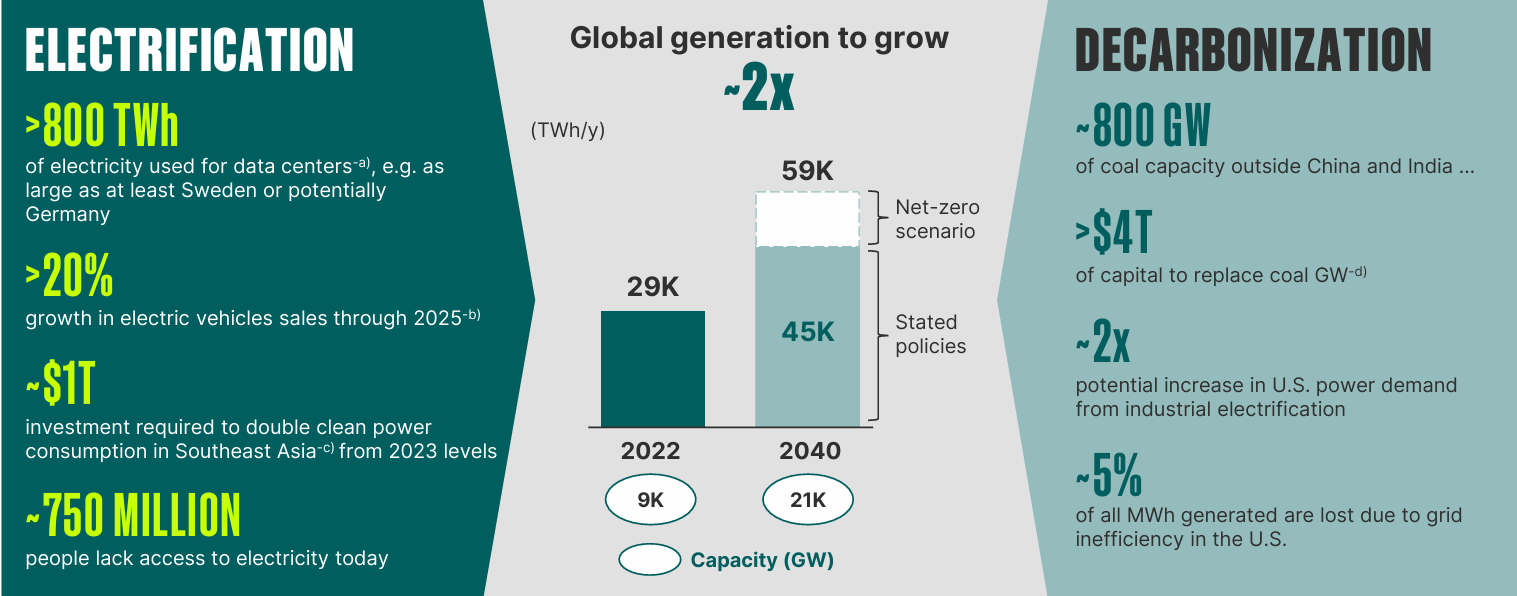
GE Vernova has a storied legacy dating back to Thomas Edison’s groundbreaking commercial power plant in 1882. With over 140 years of experience, the company has established itself as a pioneer in technology and innovation. GE Vernova has an impressive portfolio of approximately 36,000 patents and patent applications across 60 countries. Notable innovations include:
- the world’s first licensed nuclear power plant (1957),
- wind blades for the world’s first offshore wind farm (1991)
- the world’s first mobile (trailer-mounted) aero-derivative gas turbine for power generation (1996)
- the world’s first wind turbines with low-voltage-ride-through capability (2003)
- multiple world records for the most efficient gas combined cycle plant (2016)
- North America’s first commercial award for a small modular nuclear reactor (2022)
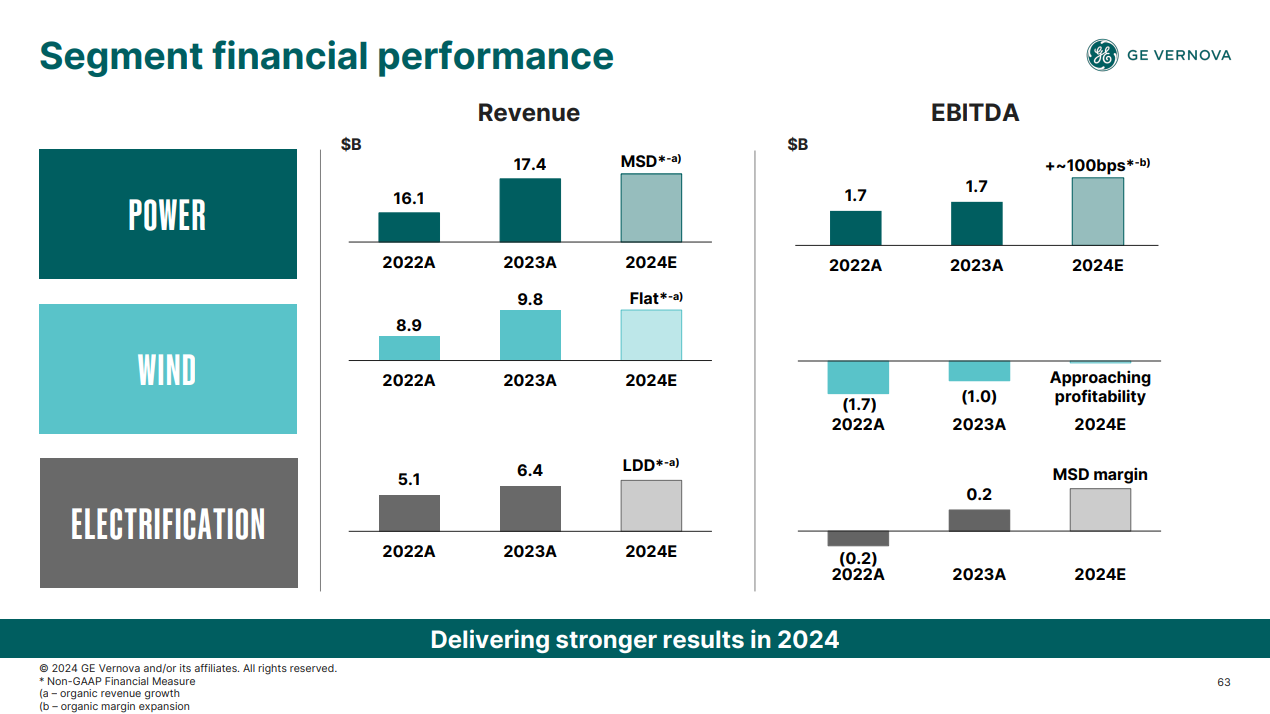
GE Vernova has three segments: Power, Wind, and Electrification. Historically, Power has generated the majority of revenue and EBITDA, but Wind and Electrification are expected to generate meaningful EBITDA in 2025 and beyond.
Business Strategy
GE Vernova, the industry leader in delivering reliable, affordable, and sustainable electricity, anticipates significant growth in demand. The company aims to improve its cost structure and productivity, focusing on revenue, Adjusted EBITDA, and free cash flow growth for shareholder value creation.
- Focuses on developing and providing technologies for electrification and decarbonization.
- Aims to drive sustainable economic growth through increased electrification and improved electric reliability.
- Plans to reduce emissions by developing and commercializing emerging technologies like nuclear reactors, natural gas, and air capture products.
- Build strong relationships with major utilities, developers, governments, and electricity users for reliable, affordable, and sustainable electricity.
- Services a significant portion of the world’s electricity generation, including 25% of its gas-installed base.
- Aims to improve margins and lower risk through better underwriting, shortening bid cycles, and improving customer agreements.
- Streamlines its product portfolio to focus on core workhorse products, improving cost and quality.
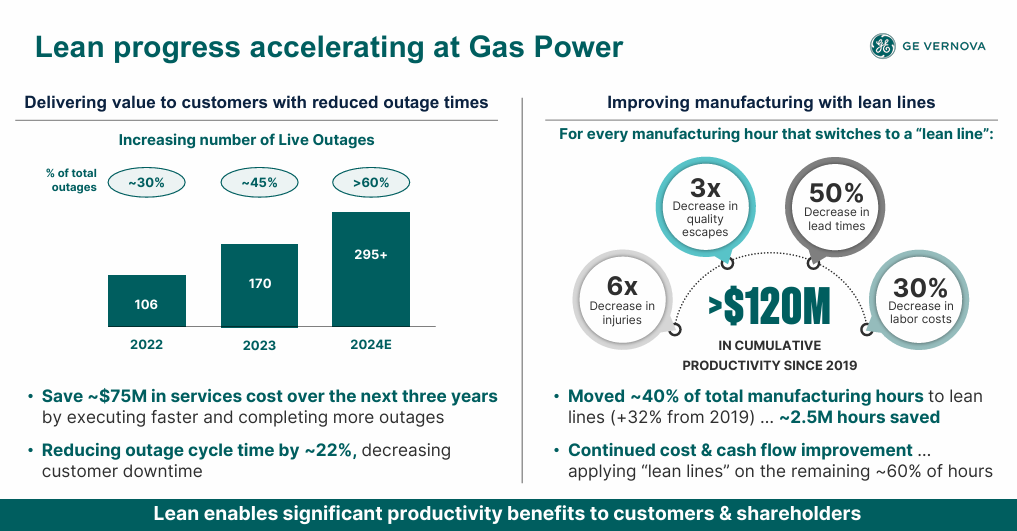
- Implements lean principles to enhance cost structure and productivity across all business functions.
Segment Overview: Power
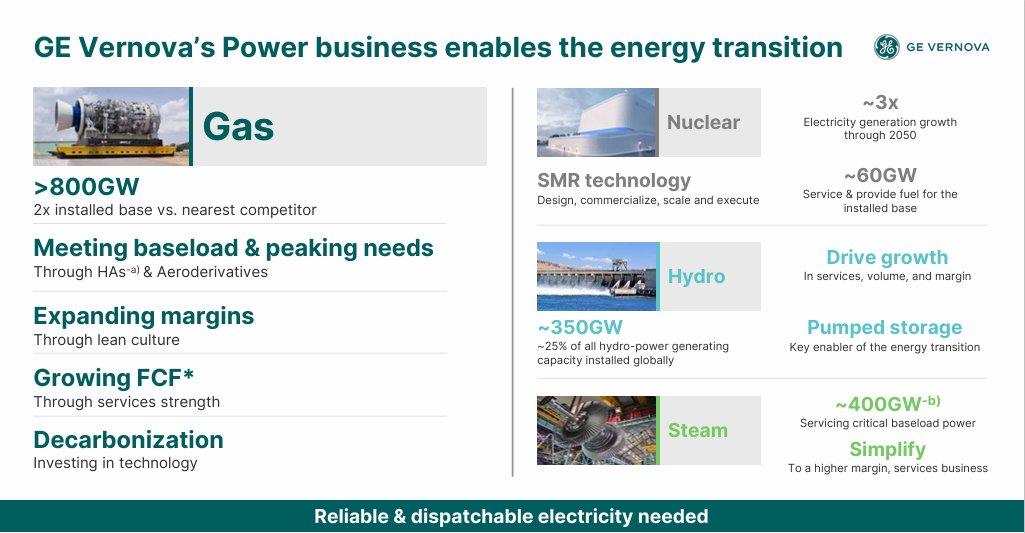
The Power segment focuses on designing, manufacturing, and servicing gas, nuclear, hydro, and steam technologies, providing a reliable, dispatchable, and flexible power base. It delivers long-term earnings and free cash flow from servicing its vast installed base and expanding it with new equipment and services. The segment maintains the largest global installed base of gas turbines at 886 GW.
GE Vernova’s diverse power generation portfolio
Leading in Gas Power for growth and margin expansion.
Gas Power
- Largest installed base of 7,000 gas turbines, double the size of its closest competitor.
- Contributes to nearly half of global electricity generated from natural gas, yielding
- Expected strong free cash flow with long-term contracts and transactional revenue growth.
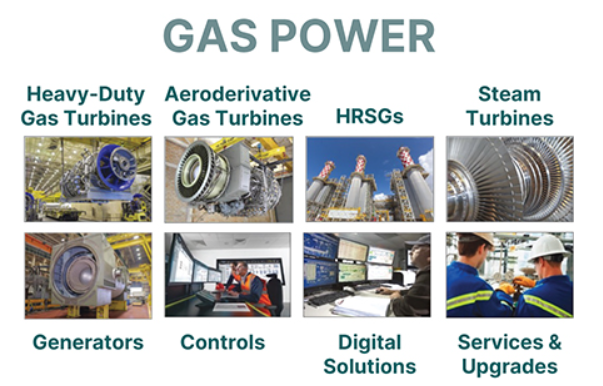
- Gas turbine portfolio includes heavy-duty and aero-derivative turbines, including HA-class turbines.
- Provides heat recovery steam generators, combined cycle steam turbines, generators, and integrated control systems.
- Offers digital solutions and decarbonization offerings.
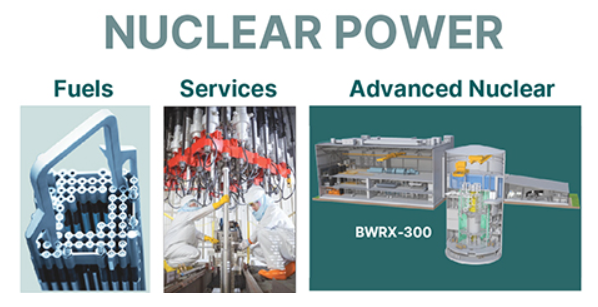
Nuclear Power
- Leading provider of nuclear products and services globally.
- Focuses on nuclear fuel, reactor services, and advanced reactor designs.
- Offers field services, reactor maintenance, and digital solutions, primarily catering to boiling water reactor (BWR) technology.
- Emphasizes life extension and industry momentum for upgrades and expansions.
- Main lines: fuel production, outage services, and advanced nuclear plants.
- Secured commercial contract to build North America’s first small modular reactor, BWRX-300.
Hydro Power
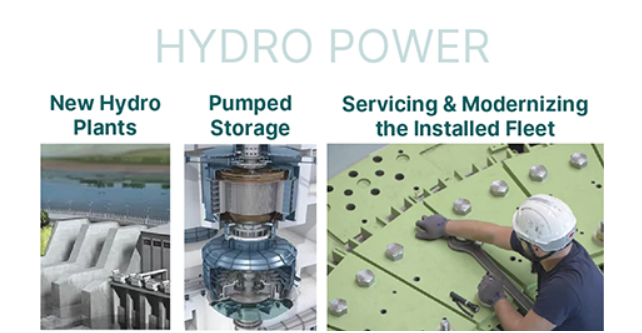
- The global fleet of hydro turbines and generators, representing 25% of global hydropower capacity.
- Focuses on hydro fleet services and modernization, pumped storage, and new hydro plants.
- Potential for refurbishment to improve efficiency and output capacity.
- Pumped storage, a key growth area, is involved in over 30% of global projects.
- New hydro plants target emerging economies for affordable, dependable electricity.
- Enables renewable energy expansion, crucial for grid stabilization and balancing intermittent renewables.
Steam Power
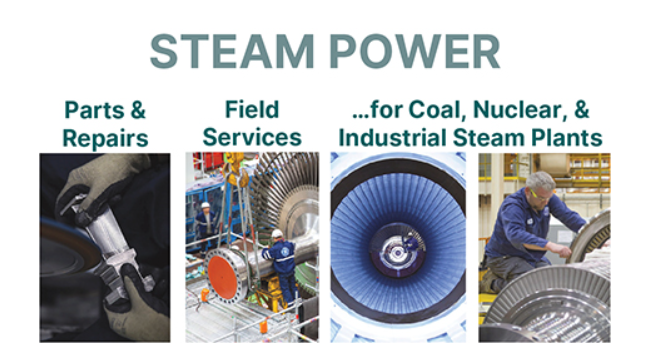
- It is transitioning its Steam Power business to focus solely on services for its installed base.
- Exiting the new coal market and selling its nuclear steam turbine business to Electricité de France S.A. streamlines the company into a smaller, services-centric entity.
- Focus remains on supporting existing coal steam turbines globally and nuclear and industrial steam turbines in the Americas.
- The goal is to service, upgrade, and extend the life of existing plants while aiding global customers in transitioning away from coal through valuable end-of-life services and decommissioning support.
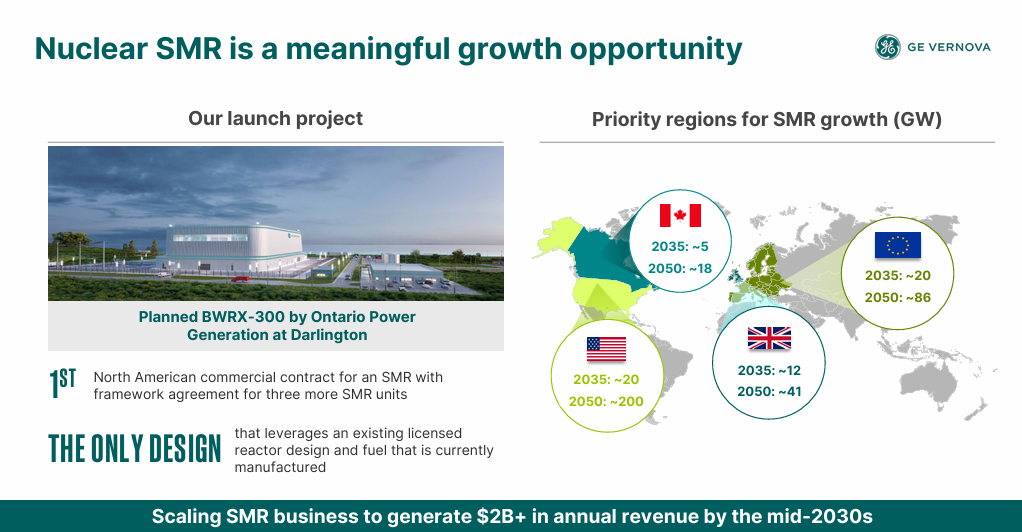
GE Hitachi Nuclear Energy’s BWRX-300 project is the first commercial SMR unit, indicating potential growth in Canada, Europe, and the UK in the energy sector.
Segment Revenue
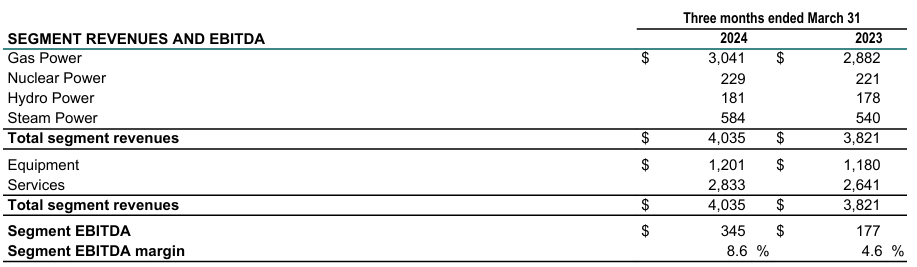
- Segment revenues increased by 6% and EBITDA by 95% in Q1 2024.
- Revenues rose by 4% organically due to higher outages and favorable prices.
- EBITDA increased by 64% organically due to increased Gas Power services where volume, price, and productivity more than offset the impact of inflation.
GE VERNIOVA 2024 Revenue and EBITDA Projections
- Projected revenue of $17.4 billion.
- EBITDA estimated at $1.7 billion.
- EBITDA margin of approximately 10%.
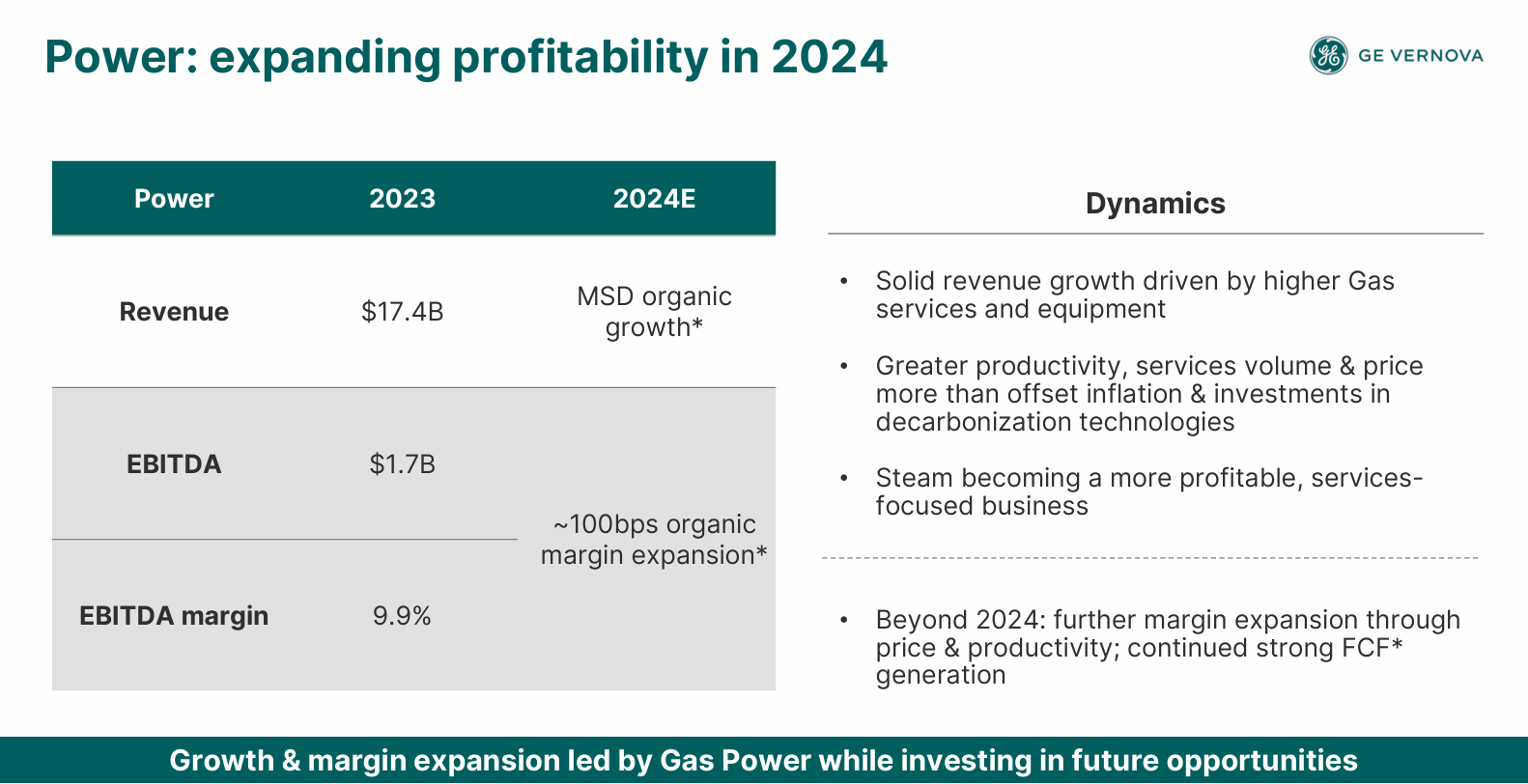
The Power segment of the company exhibited robust performance across various metrics. Strong order intake, marked by double-digit growth, signifies a healthy demand for the company’s offerings. While equipment revenue saw a slight decline, it was compensated by increased service volume and price/productivity enhancements, leading to higher overall revenue growth, primarily driven by Gas Power services.
Moreover, the company managed to expand its EBITDA margins, indicating improved operational efficiency and profitability. With a focus on Gas Power demand, strategies are being evaluated to meet potential acceleration in demand, ensuring sustained growth in the segment. Beyond 2024, the company aims for further margin expansion through price adjustments and productivity enhancements, while maintaining strong Free Cash Flow (FCF).
In conclusion, the Power segment demonstrates resilience and adaptability, leveraging its strengths in services and focusing on meeting evolving market demands, particularly in the Gas Power sector. Overall, the segment is positioned for continued growth and profitability.
Segment Overview: Wind
The company’s focus on its Wind segment, which includes onshore and offshore wind turbines and blades, is to capitalize on secular demand for zero-carbon power generation. The company is shifting its Onshore Wind strategy to fewer markets, maintaining competitive advantages and increased productivity to drive long-term profitable growth. The company has an installed base of 117 GW of Onshore Wind and 1 GW of Offshore Wind turbines.
A World Leader in Onshore Wind Technology
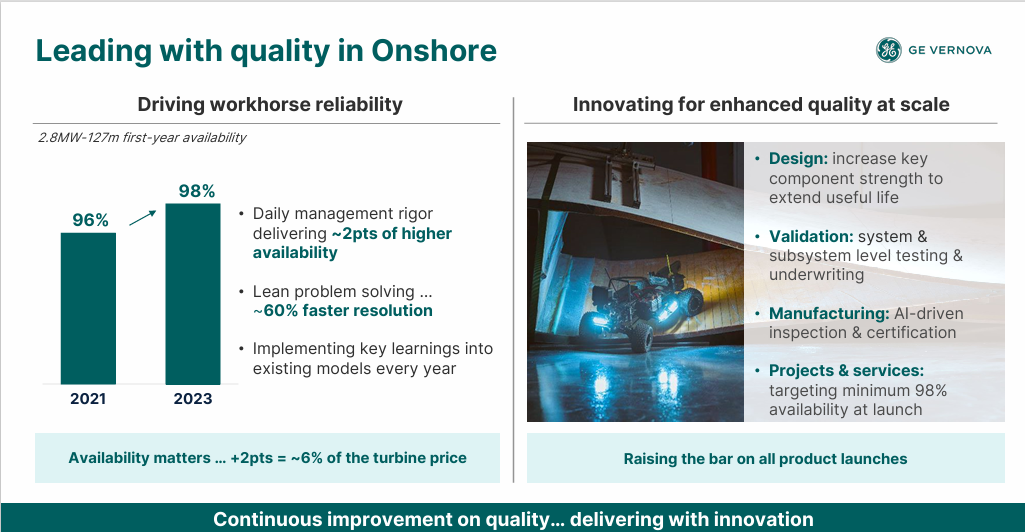
The company is enhancing its capabilities by focusing on customer proximity, R&D, factory repositioning, and deploying a lean supply chain network. It is also reducing headcount by 40% and optimizing fixed costs by 6 points from ’22A to ’24E, with a projected reduction of 6 points in fixed costs as a percentage of revenues. This strategy aims to improve safety, quality, delivery, and cost.
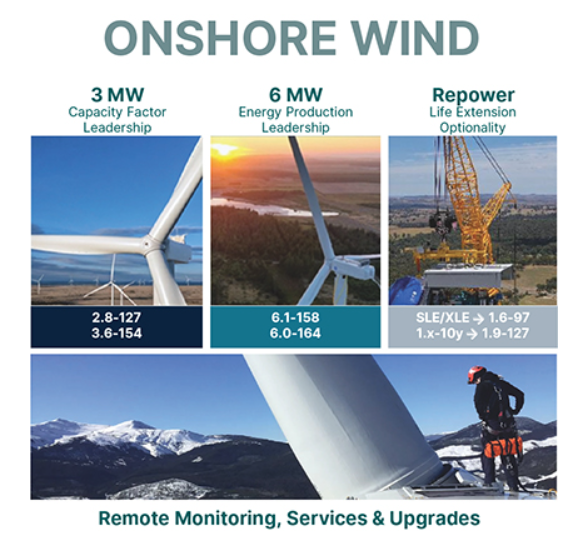
Onshore Winds
- Leading onshore wind turbine installer in the U.S.
- Over 55,000 turbines globally as of 2023
- Focus on 3 MW and 6 MW onshore turbine platforms
Offshore Winds
- 1 GW of installations worldwide.
- Margin challenges in 2024 due to Haliade-X backlog.
- Haliade-X platform: 12 MW to 18 MW.
- Services include predictive maintenance, upgrades, and retrofits.
- Haliade 150-6MW turbine: 155 installations globally.
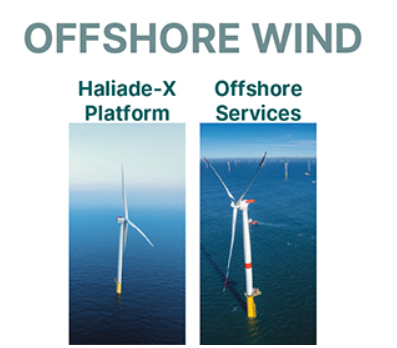
The Haliade-X 14 MW offshore wind turbine, the first of its kind and the longest-operating in the 12+MW segment, offers a range of power ratings and digital capabilities.
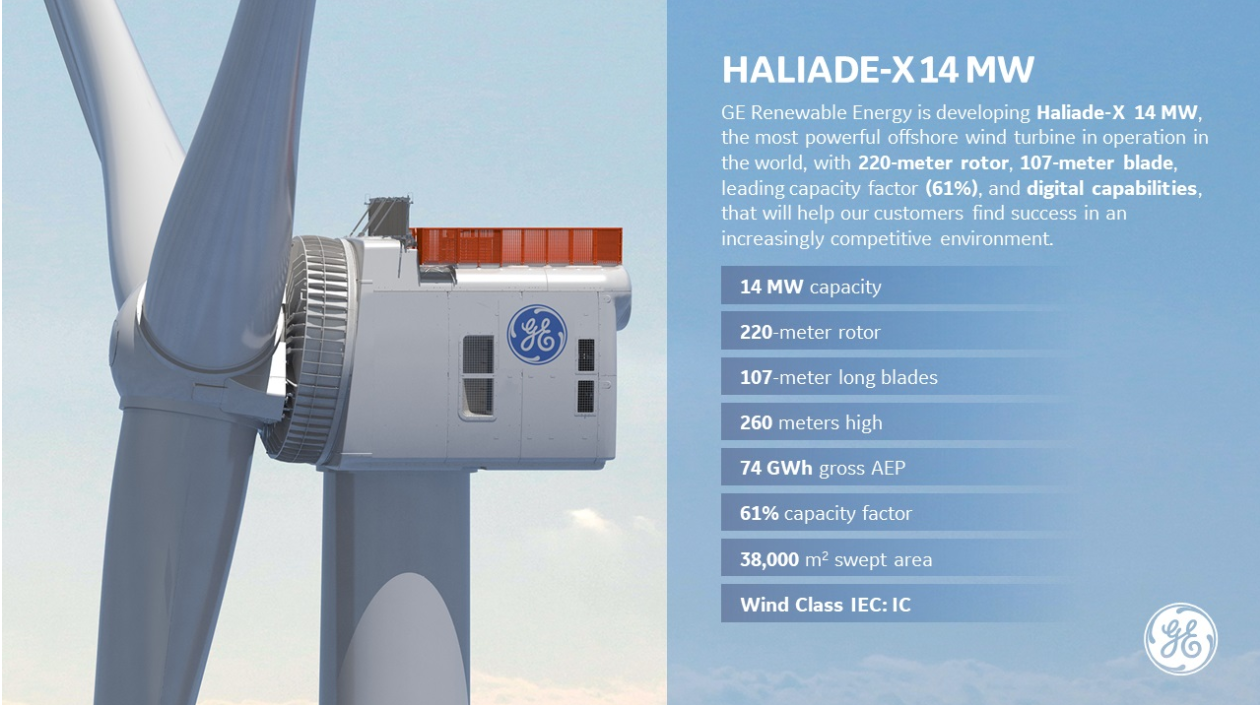
The offshore wind industry is expected to grow from 17 to 90 GW in the next decade, accounting for 15% of the global wind industry. GE Vernova has invested over $400 million in developing the most powerful offshore wind turbine, aiming to reduce the levelized cost of energy (LCOE) and make offshore wind energy more competitive.
LM Winds
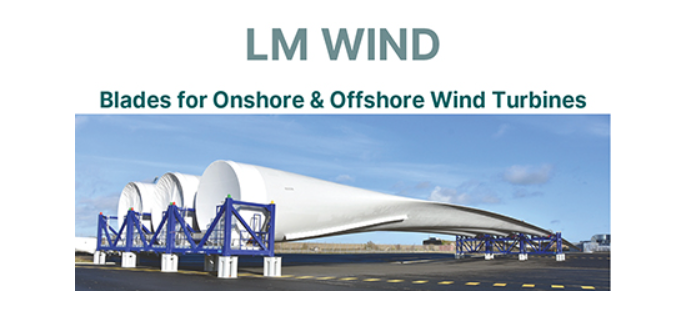
- LM Wind Power designs, produces, and validates wind turbine blades.
- Blades range from 42 to 107m, capturing wind power and converting it into rotational energy.
- LM Wind Power has produced 263,000 blades since 1978.
- Supplies blades to GE Vernova’s Onshore and Offshore Wind businesses, and select OEMs.
- Offers single-piece and multi-piece blades to reduce transportation costs and logistics.
Segment Revenue
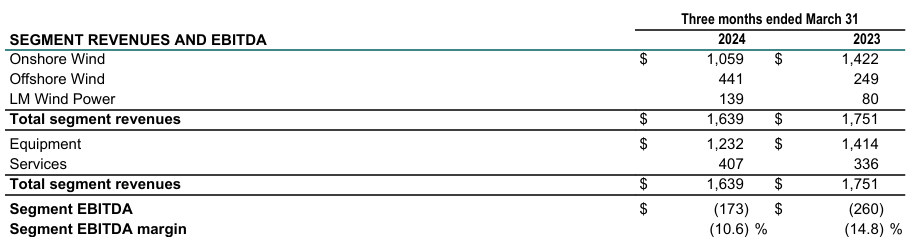
- Segment revenues decreased by $0.1 billion (6%) due to fewer units delivered.
- Segment EBITDA increased by $0.1 billion (33%), primarily due to improved pricing and cost reduction activities in Onshore Wind.
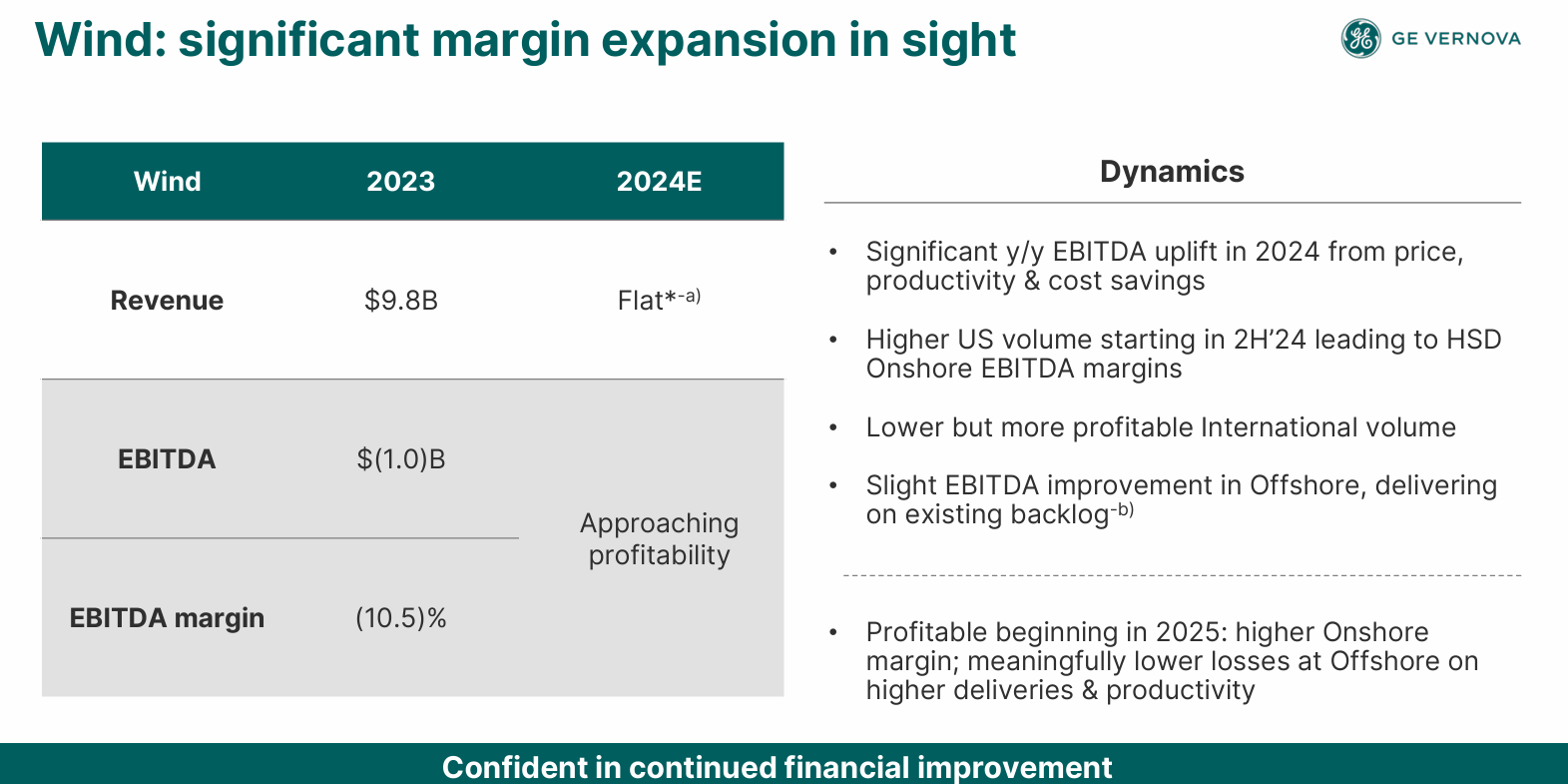
In 2024, the Wind segment experienced a significant year-on-year increase in EBITDA, driven by improvements in pricing, productivity, and cost savings. The segment anticipates higher volume in the US in the second half of 2024, leading to high single-digit Onshore EBITDA margins. Despite lower volume, international operations remain profitable. The Offshore segment saw a slight improvement in EBITDA, meeting existing backlog commitments. Looking forward to 2025, the segment aims for profitability with higher Onshore margins and reduced losses in Offshore, attributed to increased deliveries and productivity.
However, the segment faced challenges with lower equipment orders in Onshore Wind, particularly in North America. Despite this, Onshore Wind maintained positive EBITDA, indicating operational efficiency. The execution of the Offshore Wind backlog remains challenging, resulting in EBITDA losses, despite higher equipment deliveries. Overall, the segment expects stronger Onshore Wind volume in the second half of 2024 from existing backlog, reflecting a positive outlook amidst market challenges.
Segment Overview: Electrification
The Electrification segment comprises grid solutions, power conversion, solar and storage solutions, and digital technologies, known as Electrification Systems and Electrification Software. These technologies are essential for the transmission, distribution, conversion, storage, and orchestration of electricity from generation to consumption. The segment benefits from the growing need for grid infrastructure, modernization, and reliability, as well as the demand for new products and services. Investment in these technologies is crucial for enabling the energy transition.
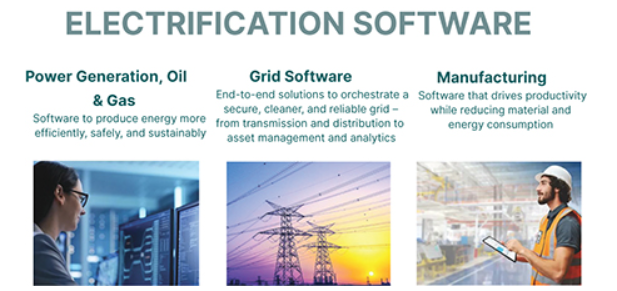
- Electrification Software
- Aim to advance electrification and decarbonization in the energy sector.
- Leverages data for efficiency, reliability, and sustainability.
- Offers solutions in power generation, grid management, and energy-intensive industries.
- Aim to expand the market to $20 billion within three years.
- Grid Solutions
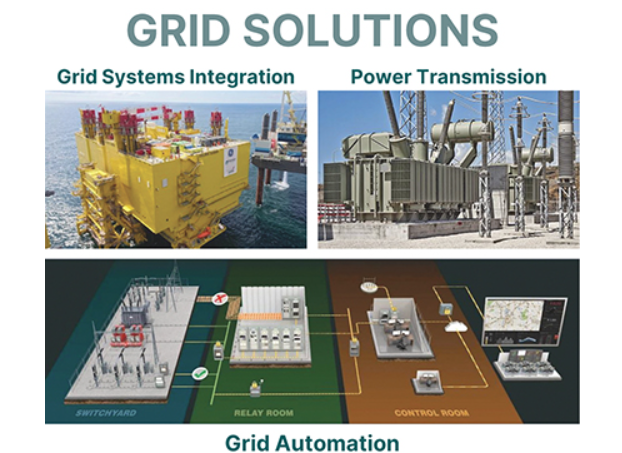
- Focuses on enhancing grid technologies for global energy transition.
- Experienced robust order growth in HVDC solutions for renewable energy transmission.
- Handles large projects like HVDC and FACTS for enhanced power network connectivity.
- Offers high-voltage products for grid regulation, protection, and isolation.
- Provides automation and control technology for efficient grid management.
- Plays a pivotal role in modernizing and optimizing power systems for a sustainable future.
- Power Conversion
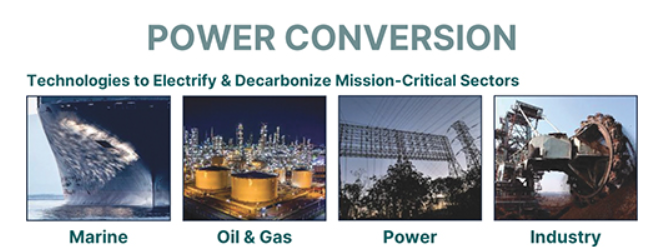
- Accelerates electric transformation of energy and industrial infrastructure.
- Designing systems for electrification and decarbonization.
- Serving mission-critical sectors: Marine applications, Oil and Gas, Power, and Industrial.
- Offerings include propulsion systems, electrical systems, and power conversion technologies.
- Facilitates transition to renewable energy and decarbonization across industries.
- Solar & Storage Solutions
- Focuses on solar photovoltaic and battery energy storage systems.
- Specializes in power electronics for grid integration.
- Offers containerized battery storage solutions.
- The portfolio includes FLEXINVERTER, FLEXRESERVOIR, and FLEXIQ.
- Caters to renewable energy integration and grid stability.
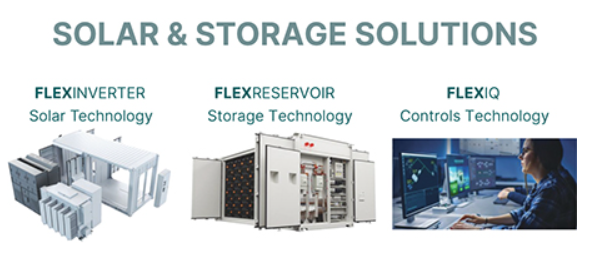
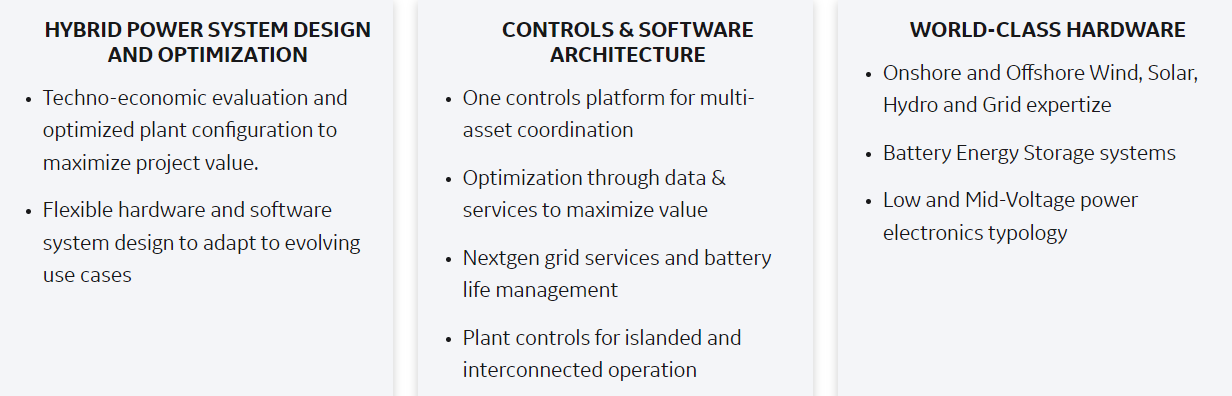
GE Vernova offers a wide range of renewable technologies for hybrid energy systems, ensuring flexibility, reliability, and intelligence in navigating complex challenges in the energy transition.
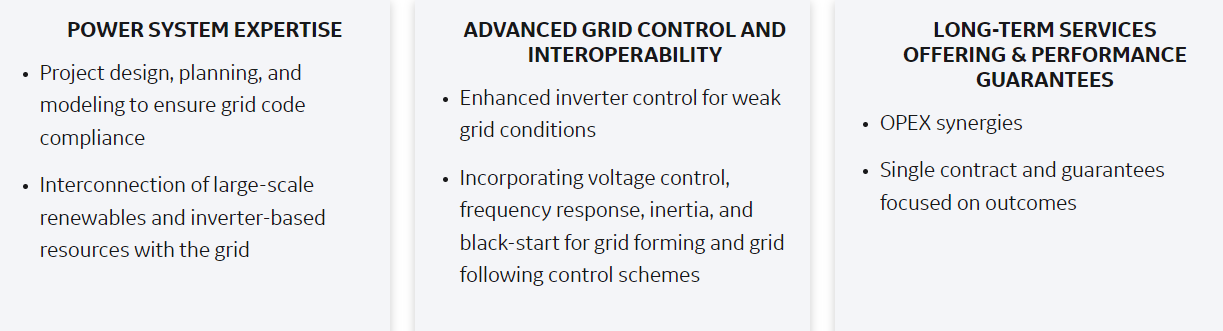
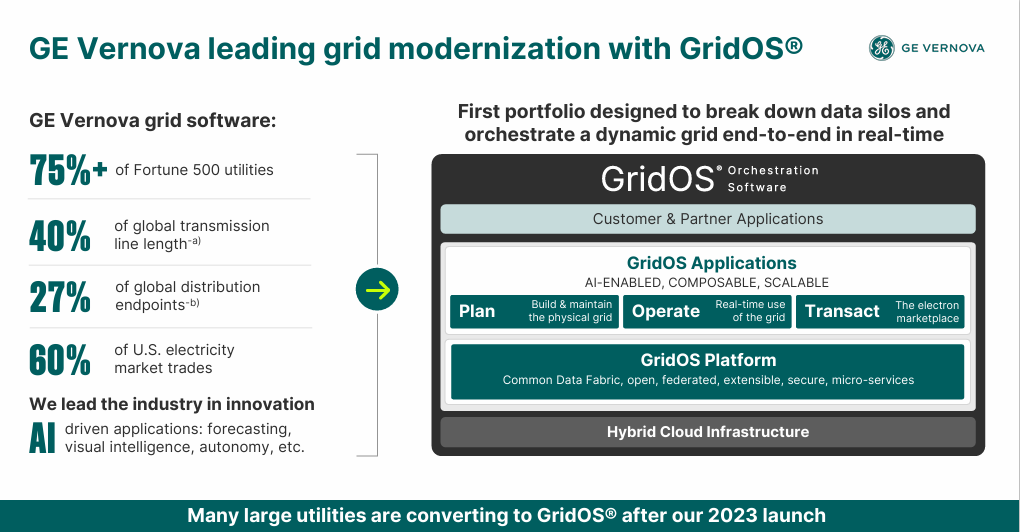
GE Vernova’s GridOS software is driving grid modernization, with 75% of Fortune 500 utilities adopting it globally. Key trends include AI-enabled applications, digital twin models, and market transactions. Large utilities are transitioning to GridOS since Q3 2023.
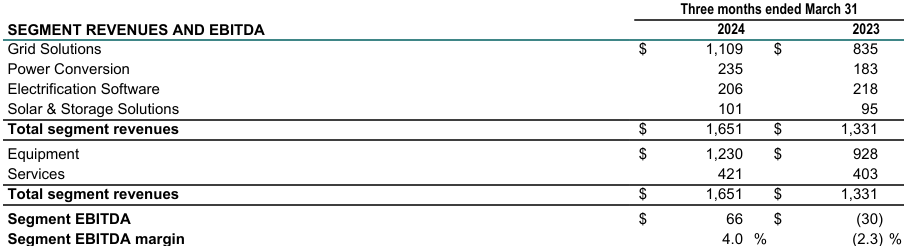
- Segment revenues increased by 24%, driven by equipment growth at Grid Solutions.
- Segment EBITDA also rose by $0.1 billion, primarily due to higher volume, productivity, and price at Grid Solutions.
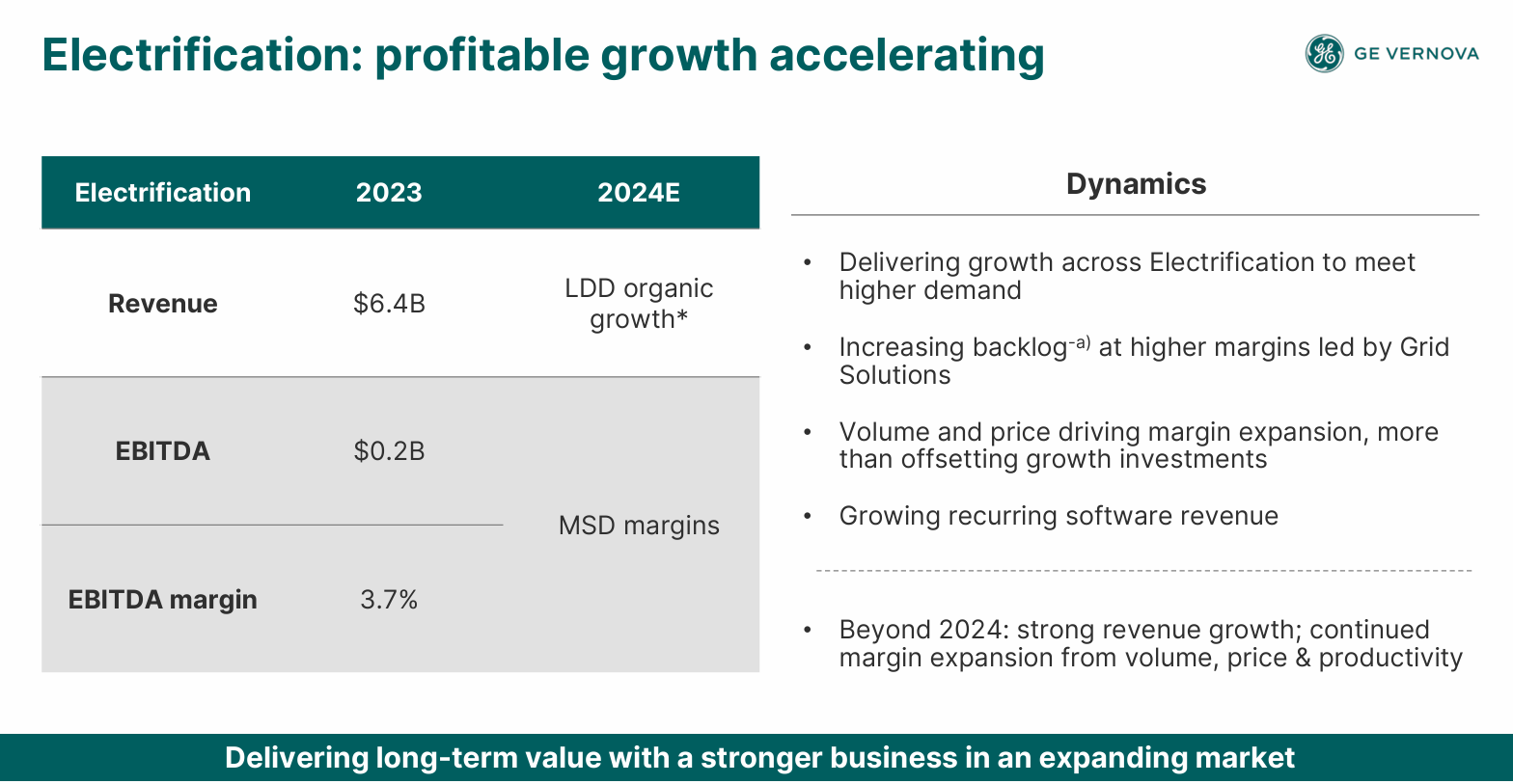
The Electrification segment is experiencing significant growth to meet increasing demand. Backlog is growing, particularly in Grid Solutions, with higher margins. Margin expansion is driven by volume and price increases, outweighing growth investments. Recurring software revenue is also growing steadily.
Looking ahead, the segment expects strong revenue growth and continued margin expansion beyond 2024, supported by volume, price, and productivity improvements. In the first quarter of 2024, orders exceeded twice the revenue, indicating robust demand. Grid Solutions led significant revenue growth, with volume, productivity, and pricing contributing to expanded EBITDA margins. Strong demand is anticipated to drive substantial revenue and backlog growth at healthy margins in the future.
Overall, the Electrification segment is well-positioned for continued growth and profitability, with a focus on meeting increasing demand and optimizing operational efficiency.
Capital Structure
GE Vernova was spun off with no debt and $3.6BN of cash. It has secured a $3BN revolving credit facility.
Management
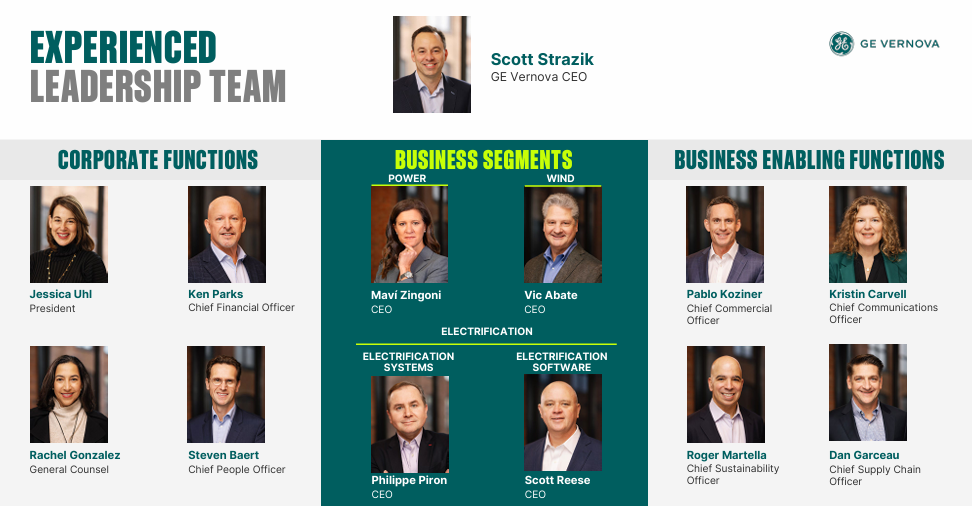
 Chief Executive Officer
- Scott Strazik, CEO of GE Vernova, focuses on accelerating the energy transition and promoting sustainability by collaborating with customers to electrify and decarbonize the electric power sector.
- With over 20 years of experience in finance, operations, and leadership at GE, Strazik has held various key roles, including CFO of GE Aviation’s Commercial Engine Operations and Gas Power Systems, and has spearheaded significant initiatives such as the launch of GE’s HA gas turbine. He was named an officer of General Electric in 2015 and has served in top executive positions within GE’s power businesses, culminating in his role as CEO of Gas Power in 2018. Strazik holds degrees from Cornell University and Columbia University’s School of International and Public Affairs.

Chief Financial Officer
- Ken Parks serves as the CFO of GE Vernova, overseeing finance and digital technology functions while managing relationships with investors, capital markets, and rating agencies. He brings 38 years of financial leadership experience, having previously held CFO positions at Owens Corning, Mylan, and Wesco International, among others.
- Parks began his career with Coopers & Lybrand and has held various finance roles at Carrier Corporation and York International. He holds a Bachelor of Science degree in Accounting from the University of Tulsa and is currently a Certified Public Accountant.
Valuation
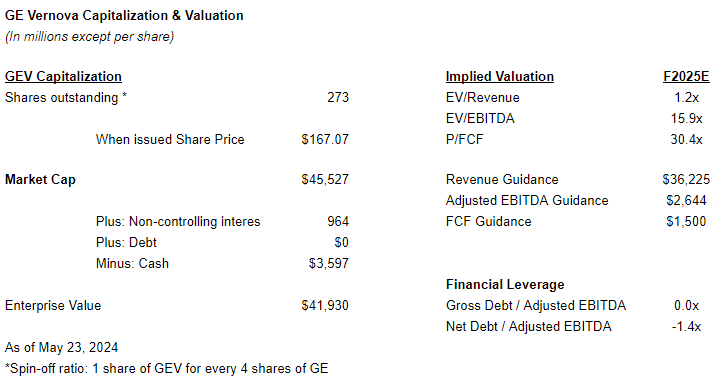
GE Vernova is trading at 15.9x 2025 EBITDA guidance and 30x 2025 free cash flow guidance.
Peers trade in a wide range on an EV / FY2 EBITDA basis. For instance, Siemens Energy trades at just 6.7x while Hubbell trades at 16.7x.
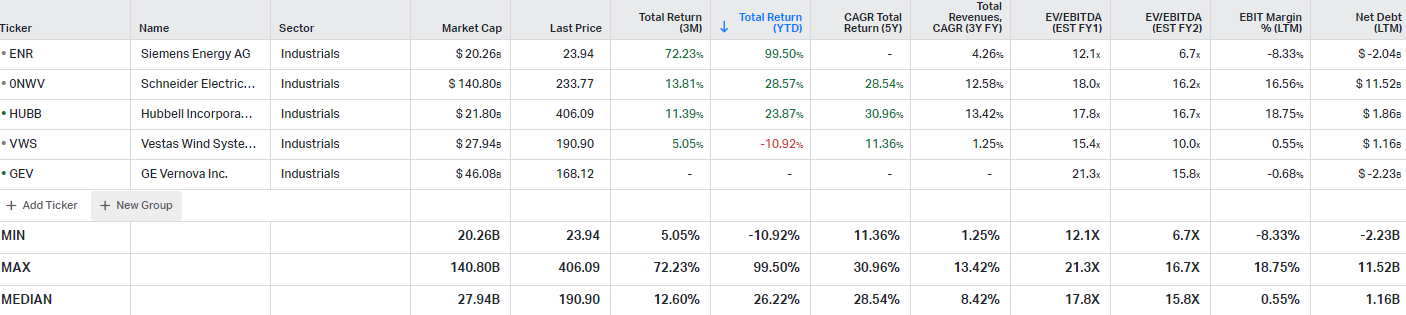
Given that GE Vernova is trading at the high end of the peer group’s valuation range, I don’t think the stock looks particularly compelling.
Risks
- Product Quality and Safety: Risks related to the perception or occurrence of quality issues or safety failures in specialized products and services could adversely impact their reputation and financial performance.
- Operational Cost Savings: Failure to achieve anticipated cost savings or implement cost-control initiatives may negatively affect the financial results and cash flows.
- Supply Chain Disruptions: Significant disruptions in the supply chain, including high costs, unavailability of materials, or disruptions in manufacturing and distribution, could harm financial performance and operational efficiency.
- Credit Ratings and Capital Access: Maintaining investment-grade credit ratings is crucial for accessing capital and securing contracts, a downgrade could increase costs and limit opportunities.
- Market Dynamics and Decarbonization: Market shifts related to decarbonization present both risks and opportunities that could affect strategic priorities and financial performance.
Overall Conclusion
GE Vernova appears fairly valued to me, and the stock doesn’t look like an obvious opportunity.
Disclosure/Disclaimer:
All expressions of opinion are subject to change without notice. All published emails/articles/correspondence is provided for informational purposes. We do not warrant the completeness or accuracy of this content. Please do your own due diligence and consult with an investment adviser before buying or selling any stock mentioned on www.stockspinoffinvesting.com.
Leave A Comment